Understanding Downdraft Paint Booths and Their Core Benefits
What is a Downdraft Paint Booth?
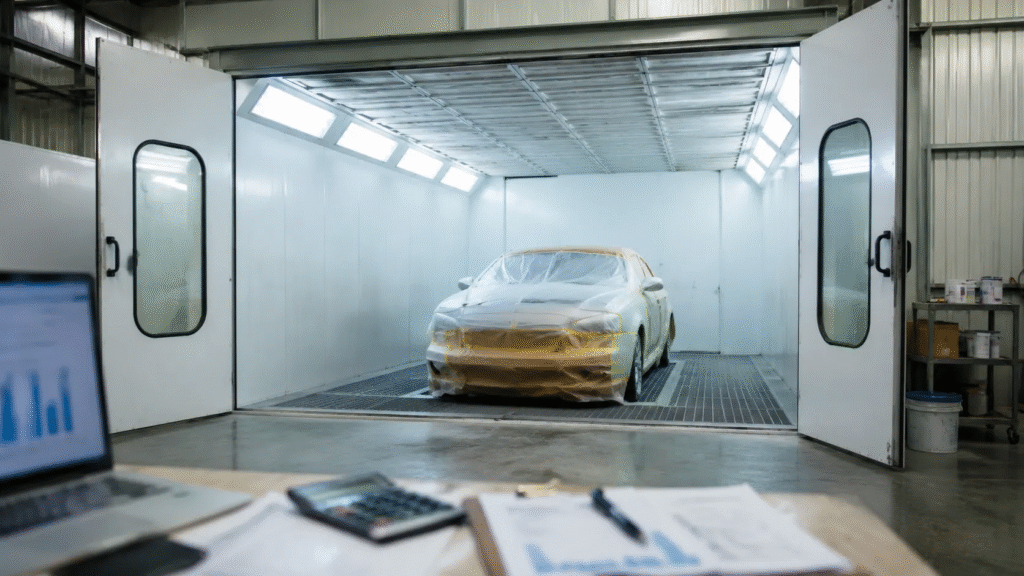
A downdraft paint booth is a specialized spray booth designed to optimize airflow by pulling contaminants and overspray downward and out through vents located in the floor. This vertical airflow pattern promotes a cleaner environment inside the booth, ensuring harmful particles and fumes are efficiently extracted away from the work area. Downdraft booths are widely used in automotive refinishing, industrial paint applications, and commercial vehicle painting due to their effective contamination control.
Key Advantages of Downdraft Ventilation Over Other Types
Downdraft systems provide several distinct benefits compared to crossdraft and semi-downdraft ventilation:
- Superior Air Quality: Paint overspray and dust are pulled downward, minimizing airborne contaminants around the operator.
- Improved Worker Safety: Efficient airflow reduces inhalation risks by extracting volatile organic compounds quickly.
- Cleaner Finish: Less particle settling results in smoother, higher-quality paint surfaces.
- Regulatory Compliance: Easier adherence to environmental and workplace health standards.
| Ventilation Type | Airflow Direction | Contaminant Removal Efficiency |
|---|---|---|
| Downdraft | Top to Bottom | Highest |
| Semi-Downdraft | Part Top/Part Side | Moderate |
| Crossdraft | Side to Side | Lowest |
How Downdraft Systems Improve Paint Finish Quality
Downdraft paint booths achieve a consistently superior finish by reducing contamination during the painting process. The downward airflow quickly removes loose particles before they settle on wet paint, limiting defects like orange peel, dust nibs, and fisheyes. This precise environmental control fosters consistent drying and curing conditions, which:
- Enhances paint adhesion and gloss
- Decreases rework and material waste
- Supports premium finish standards critical for automotive and commercial equipment refinishing
By integrating advanced downdraft ventilation, facilities ensure durable, high-quality surfaces while optimizing productivity and compliance.
Downdraft Paint Booth Cost Breakdown
Standard Sizing and Model Price Tiers
Downdraft paint booth prices start largely based on standard size options, typically ranging from 6m to 8m in length. These common dimensions cover most automotive and light industrial applications, offering a balance between workspace and cost efficiency. Standard models come with preset ventilation and filtration features, which help streamline pricing. While exact figures vary depending on specifications, buying factory direct ensures competitive pricing aligned with these size tiers without extra middleman fees.
Custom Dimensions and Industrial Scale Pricing
For larger operations or specialized projects, custom-sized downdraft booths are available. Industrial-scale models often serve truck painting, furniture manufacturing, or large machinery finishing, where standard booths cannot accommodate the workflow. Custom dimensions affect cost significantly due to extra materials, engineering complexity, and transportation logistics. These booths are tailored to precise customer needs, which means pricing is more project-specific and best obtained directly from the manufacturer to reflect installation variables and compliance requirements.
Luxury Engineering Add-ons and Upgrades
Upgrading to luxury versions involves incorporating premium features such as advanced control panels, explosion-proof lighting, enhanced filtration systems, and integrated curing technologies. These add-ons improve operational efficiency, safety, and finish quality but increase upfront prices. Clients seeking top-tier automotive spray booths or specialized finishes should consider these upgrades as part of the total investment. Detailed customization and luxury engineering solutions are typically factored into quotes, ensuring buyers receive precision-tailored equipment built for long-term reliability.
For a deeper overview of booth airflow design and configurations, particularly for industrial needs, consult the detailed information on downdraft paint booth airflow design and buying guide. This resource helps clarify how size and features impact cost and performance.
The Impact of Heating Systems on Total Upfront and Long-Term Prices
Diesel and Gas Burner Systems
Diesel and gas burner heating systems are often favored for their strong heating output and fuel efficiency, especially in larger downdraft paint booths designed for trucks or industrial use. Upfront costs are generally moderate but can vary depending on burner capacity and fuel type. Over the long term, fuel consumption and maintenance expenses—such as periodic burner servicing—play a significant role in the total cost of ownership. These systems provide rapid heat-up times, offering energy savings during busy production cycles. Choosing a diesel or gas heater aligns well with facilities that have easy access to fuel sources and require robust heating performance.
For a detailed look at professional diesel and gas heating paint booths, explore models like the industrial 9m large diesel gas heating spray booth.
Electric Heating Elements
Electric heating units bring clean, precise heat control to downdraft paint booths, often preferred where strict emissions and environmental regulations apply. While the initial installation and equipment costs are higher than some fuel-based systems, electric heaters typically feature lower maintenance costs and provide consistent heat delivery that minimizes temperature fluctuations. Long-term electricity costs will depend on local rates and booth usage patterns; however, electric systems tend to be more energy-efficient with advanced thermostatic controls. Their clean operation and ease of integration make them a trusted choice in automotive shops and manufacturing facilities requiring CE-certified compliant equipment.
Several dual-mode heating setups combining electric and gas systems are available, such as the 8m dual mode heating spray booth with electric and gas options.
Infrared Lamp Curing System Costs
Infrared (IR) lamp curing systems offer an advanced supplemental heating solution to accelerate paint drying and curing processes. Their upfront investment is usually higher than conventional heaters due to the specialized lamps and control components required. However, IR systems can significantly reduce overall process times, enhancing throughput and lowering operational costs by reducing energy spent on prolonged heating cycles. The infrared curing solution adds flexibility to downdraft booths by providing targeted heat that works well with waterborne and powder coating finishes. When incorporated smartly, this technology optimizes workflow and improves finish quality, making it a worthwhile addition for high-volume or premium application environments.
Each heating system option impacts the total downdraft paint booth price differently, balancing upfront equipment investment with long-term energy and maintenance costs. Selecting the right heating technology depends on your facility’s size, application, climate, and regulatory environment to maximize value over time.
Comparing Downdraft Configurations and Varieties
Full Downdraft vs. Semi-Downdraft Systems
Full downdraft paint booths pull air vertically from the ceiling down through the floor, efficiently removing overspray and contaminants for a cleaner finish. This setup is ideal for high-quality automotive painting where superior ventilation is critical. Semi-downdraft systems, by contrast, combine some vertical airflow with side or rear exhaust. They often cost less upfront but may deliver slightly lower airflow efficiency, making them more suitable for smaller operations or less demanding paint jobs.
Side Downdraft Paint Booths
Side downdraft booths bring fresh air in through the ceiling but exhaust it horizontally through side vents. This design can be a good middle ground between full downdraft and crossdraft booths, offering effective airflow with potential savings in installation and energy costs. Side downdraft booths are popular for industrial applications where space constraints or facility layout make full downdraft options challenging to install.
Automotive vs. Large Truck and Commercial Booths
Automotive downdraft booths are typically sized for passenger cars, focusing on precision and finish quality. Larger truck and commercial paint booths accommodate bigger vehicles and may include reinforced structures, higher ventilation capacities, and customized dimensions. These larger booths often require specialized engineering to maintain consistent airflow patterns and temperature control across the bigger workspace. For tailored solutions, exploring options like downdraft paint booths for trucks can provide insights into industrial-scale booth design and pricing.
Additional Infrastructure and Workspace Layout Costs to Budget For
Paint Mixing Room Integration
A dedicated paint mixing room is essential for precise color matching and minimizing contamination. Integrating this space increases overall paint booth setup costs but improves workflow efficiency and quality control. Budget for proper ventilation, lighting, and explosion-proof fixtures to comply with safety standards. This integration ensures seamless coordination between mixing and spray areas.
Car Preparation and Sanding Area Setup
Preparing vehicles before painting requires a well-ventilated, dust-controlled sanding and prep area. Setting up this workspace involves outfitting it with dust extraction systems, lighting, and durable surfaces to withstand abrasive work. This additional facility helps maintain finish quality by reducing contaminants and streamlining repair workflows.
| Component | Purpose | Cost Impact |
|---|---|---|
| Dust extraction system | Remove sanding dust | Moderate to high |
| Explosion-proof lighting | Ensure safe, reliable lighting | Moderate |
| Work surfaces | Durable prep benches | Low to moderate |
Waterborne Spray Booth Options and Upgrades
Upgrading to waterborne spray booths aligns with stricter environmental regulations and reduces volatile organic compound (VOC) emissions. These booths require specialized filtration and airflow controls, adding to installation costs. However, waterborne systems offer long-term savings on paint and environmental compliance, making them a smart investment for modern operations.
Incorporating these infrastructure elements alongside your downdraft paint booth enhances overall production quality but requires careful budget planning to avoid unexpected expenses. For more detailed setups and features, exploring automotive paint booth types and features can provide further insights tailored to your facility needs.
Installation Realities, Compliance, and Facility Preparation Costs
DIY Modular Assembly vs. Professional Contractor Fees
Installing a downdraft paint booth involves a choice between modular DIY assembly and hiring professional contractors. Modular systems often come with clear instructions, allowing skilled teams to assemble onsite, saving on labor costs. However, this requires experienced technicians familiar with industrial paint booths to ensure proper alignment, sealing, and ventilation setup.
Professional installation guarantees compliance with manufacturer specifications and local safety standards but typically adds to upfront costs. Contractor fees vary widely based on complexity and region but can be a significant portion of the overall project budget. Factoring this into your downdraft paint booth price expectations is critical to avoid hidden surprises.
| Installation Option | Pros | Cons | Cost Range |
|---|---|---|---|
| DIY Modular Assembly | Cost-saving, flexible scheduling | Requires expertise | Lower upfront labor |
| Professional Contractor | Expert, warranty-compliant setup | Higher labor costs | Moderate to high |
Local Compliance, Permits, and ETL-Listing Requirements
Downdraft paint booths must meet regional regulatory standards, including ventilation safety, fire prevention, and electrical compliance. Many jurisdictions require permits and inspections before operation. ETL listing or similar certifications ensure booths adhere to strict electrical and safety codes, which are frequently mandatory for insurance and legal operation.
Noncompliance can lead to costly delays, fines, or forced modifications. The price of obtaining permits and ensuring ETL or equivalent approval varies by locality but should be planned as part of total installation and operational costs. Working with a manufacturer offering fully certified booths supports smoother approvals worldwide.
Utility and Power Infrastructure Verification
Facility readiness for a downdraft paint booth extends to power supply and utility infrastructure. These booths demand adequate electrical capacity to support fans, heating systems, lighting, and curing equipment. Verifying available voltage, amperage, and power stability upfront avoids costly retrofitting.
Utility upgrades might include new transformers, dedicated circuits, or enhanced ventilation air handling units. Estimating these infrastructure costs ahead creates a clearer picture of your total investment and ongoing operational expenses, helping align your downdraft paint booth price with full facility demands.
For a comprehensive overview of automotive paint booth options, including installation considerations and compliance standards, see our detailed automotive paint booth guide with types, features, and benefits.
Shipping, Global Logistics, and Procurement Factors
Ocean Freight, Container Optimization, and Import Fees
When considering downdraft paint booth price, shipping and logistics play crucial roles that can significantly impact your total investment. A standard downdraft booth usually fits into a 20-foot shipping container, with freight costs ranging roughly from $6,500 to $15,000 depending on destination and customs duties. Smart container optimization—such as bundling three units in a 40-foot container—helps reduce per-unit shipping charges and lowers overall import expenses. Factoring in port handling, inland transportation, and local import tariffs is essential to accurately budget your project. Choosing suppliers experienced in global shipping ensures smoother delivery and reduces unexpected logistics delays or costs.
B2B Procurement Protocols and Safeguarding Capital Investment
Navigating international procurement demands stringent protocols to protect your capital and secure quality. Reliable manufacturers offer secure payment methods like 50% T/T prepayment with balance before shipment or trusted trade assurances via platforms that accept PayPal and credit cards. Always verify certifications, such as CE marks, that guarantee compliance with import regulations and industry standards. Detailed contractual agreements backed by factory-direct pricing transparency eliminate hidden fees and provide peace of mind for significant downdraft paint booth purchases. Establishing clear communication and confirming supplier credentials upfront safeguards your investment and mitigates potential risks.
Evaluating Your Project ROI and Long-Term Value
A downdraft paint booth is a capital-intensive asset, so evaluating return on investment (ROI) is critical before committing. Beyond initial purchase and shipping costs, consider operational savings from energy-efficient heating systems and optimal airflow designs that improve paint quality and reduce rework. Factory-direct purchasing combined with modular designs supports easier future expansions or upgrades. When planned properly, these booths enhance productivity, reduce paint defects, and comply with safety and environmental standards—delivering sustained value over years of use. A comprehensive cost-benefit analysis, including installation and maintenance budget, ensures your downdraft paint booth aligns with long-term business goals and profitability.
For detailed guidance on sizing and configurations impacting cost, refer to the comprehensive standard sizes for buses and heavy-duty trucks and explore layout considerations in automotive paint booth airflow design and safety.